





Brussels Office
Avenue Louise, 331
1000 Brussels
Navigating the complex world of property leases in Belgium requires a thorough understanding of the regulations that apply in all three regions. And it’s not merely about legal compliance, it’s about avoiding the potentially costly fines that come with unintentional breaches of legislation for landlords. This is particularly important for investors who manage their properties themselves without calling on a professional property manager.
As experts in rental management, OP is well aware of this need to keep abreast with legislative developments and offers its customers invaluable peace of mind. In this article, we will explore the basic regulations for leases in Belgium, highlighting why this is important, especially for investors who are embarking on rental management without OP's professional guidance.
In Belgium, a lease agreement is valid if the landlord and the tenant agree on the property and on the price. Although residential leases are legally required to be drawn up in writing, a verbal lease remains valid from a technical point of view, despite the risk of subsequent disputes. As we say in Belgium, good arrangements make good friends. So to prevent any problems, we recommend drafting a written lease agreement (in two identical copies).
It's very common for the landlord and the tenant to draw up a private lease. This is a lease drawn up and signed directly by the parties, without the involvement of a notary. This type of agreement is commonly used for short-term lets or residential property. Although less formal than a notarial lease, it is legally valid. In Belgium, it is essential that the lease complies with the legal regulations and requirements set out in the Act on residential leases, even in the case of a private lease. In rare cases, the law may require a ‘notarial lease’ for tenancies of more than 9 years.
The quality and the legality of our leases are paramount at OP. Our lease agreements are drawn up and regularly updated by lawyers specialising in real estate law, ensuring strict compliance with current legislation. We understand the importance of having solid legal documents to guarantee a transparent and harmonious letting relationship.
What's more, if there's a problem with non-payment of rents, our professional rental managers will take care of debt collection. Their expertise means they can act quickly and efficiently to resolve financial problems, giving landlords peace of mind.
A lease agreement in Belgium must include the following key information:
Once the lease has been signed by both parties, it must be registered. Registration of the lease agreement is mandatory in Belgium. This gives the lease a date certain, making it binding on all the parties. Registration is essential for the sale or purchase of the rented property, ensuring the validity of the agreement and protecting the rights of both the tenant and the landlord. Without registration, the tenant could leave the property without paying compensation to the landlord (depending on the region).
The property must meet minimum security, health and safety standards. The tenant is generally responsible for maintenance work, unless this is due to dilapidation or force majeure. We have also drafted an article on repairs payable by the tenant to give you a clearer idea.
A detailed inventory at the beginning and end of the lease is also essential. This documented deed provides a detailed description of the condition of the property when the tenant moves in. It helps to prevent disputes by clearly identifying any existing damage before the lease begins. For the tenant, it provides a guarantee by documenting the initial condition of the property, thereby limiting their liability for any damage that may occur during the tenancy. For the landlord, the inventory makes it easier to determine any repair costs at the end of the lease. In short, a thorough inventory is an essential tool, offering transparency and legal certainty to both parties, and helping to establish a healthy and balanced letting relationship. At OP, the inventory is drawn up by an expert certified in energy performance of buildings (EPB), to guarantee the impartiality of both parties.
As we mentioned in the introduction, being aware of all these common regulations for drawing up lease agreements is extremely important if you are an individual wishing to rent out your property. These regulations are only the tip of the iceberg, since other regulations also apply which vary from region to region. Without expert advice you could inadvertently find yourself on the wrong side of the law.
It is therefore essential to comply with these regulations which apply to all leases in Belgium, so that landlords and tenants can draw up solid contracts that minimise the risk of disputes and foster a balanced letting relationship. It's also essential to understand all the variations in your municipality with regards to leases and letting.
As mentioned above, the OP managers offer their customers a lease drawn up by legal experts and regularly updated according to their region. Our managers will be by your side, from start to finish of the letting process. So if renting out your property seems too complex or if you want to reduce the administrative burden, don't hesitate to call in the experts.
Avenue Louise, 331
1000 Brussels

Vilain XIIII-street, 53-55
1000 Brussels

Avenue du Bourgmestre Etienne Demunter, 1
1090 Jette

Avenue Louise, 331
1000 Bruxelles
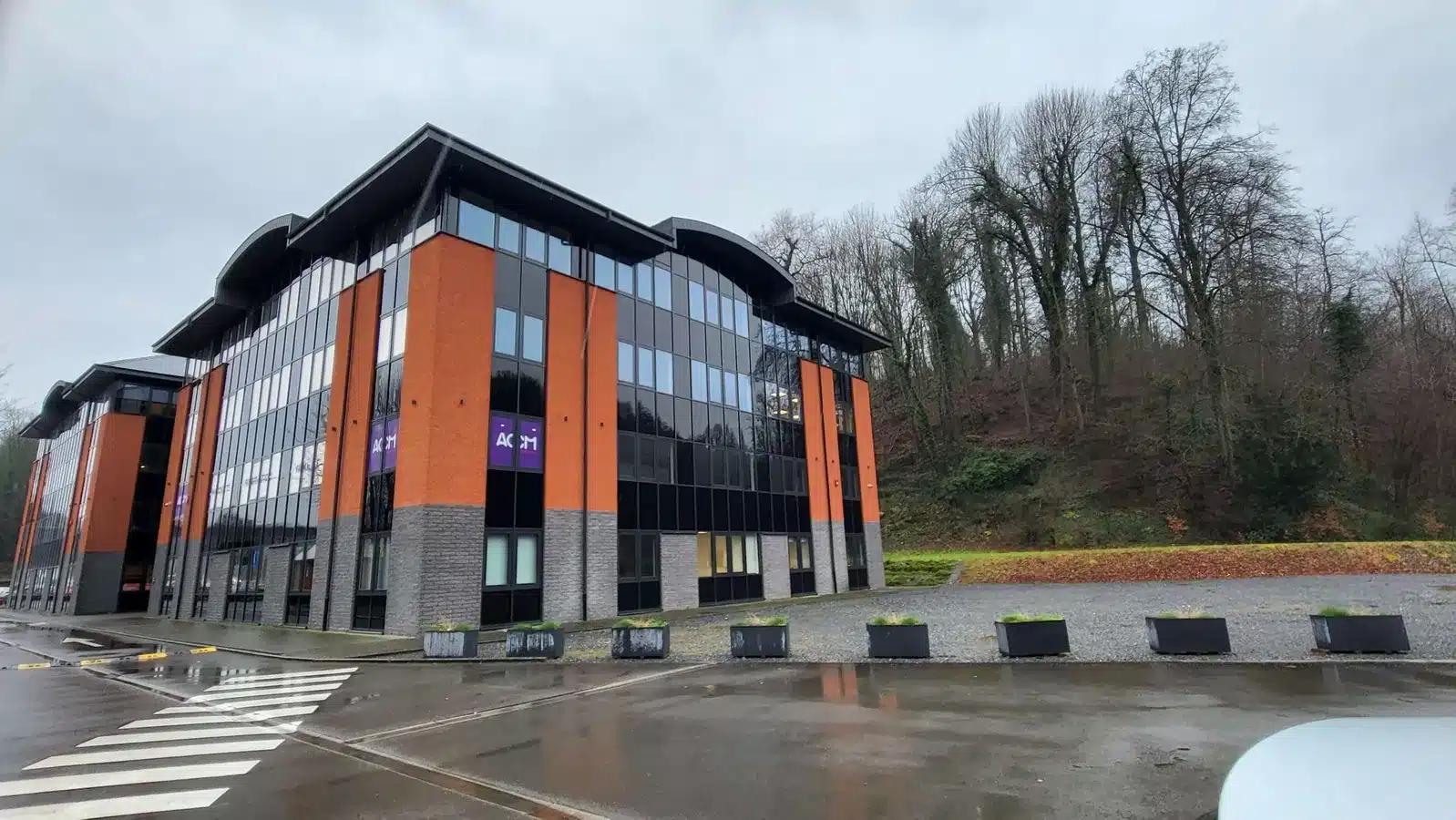
Chaussée de Liège, 652B/21
5100 Namur (Jambes)

Rue Emile Franqui, 11
1435 Mont Saint Guibert

Place de l’Equerre 33/102
1348 Ottignies-LLN&

Avenue de France 26
1400 Nivelles