




Brussels Office
Avenue Louise, 331
1000 Brussels
Collective heating is a common solution in apartment buildings, especially in condominiums. It allows several dwellings to be heated from a single centralized system, but it also raises many questions among owners and tenants.
In this article, we take a detailed look at how collective heating works, how it is installed and switched on, and the responsibilities of the co-owners.
Collective heating is a system that heats several dwellings from one central installation. It can be gas, electric, oil-fired, or based on heat pumps, cogeneration, or other technologies, depending on the building and the condominium.
The principle is simple: a collective boiler or heat generator produces heat, which is then distributed to all apartments through a network of pipes and radiators.
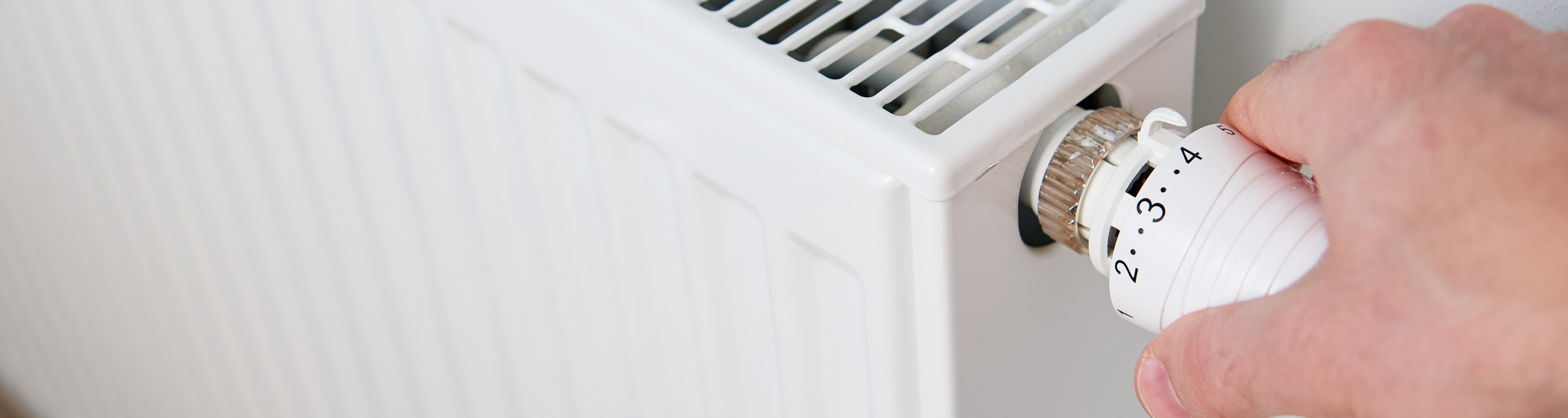
Collective heating in a condominium works through a centralized network. The boiler or boiler room, installed in a shared area of the building, heats the water that circulates through the pipes and radiators.
This heat is then delivered to each apartment. Temperatures in the different rooms are regulated by thermostats and valves that control the distribution of heat.
Gas collective heating is one of the most widespread systems in apartment buildings in Belgium, especially in older buildings. It uses a central gas boiler to produce heat. This solution offers many advantages, particularly in terms of cost-effectiveness and efficiency, but it requires regular maintenance to ensure proper operation.
Electric collective heating is also increasingly used, especially in modern buildings. This system operates using collective electric equipment, such as built-in convectors or underfloor heating, supplied by a shared electrical network. Although more expensive than gas heating, it is easier to manage at a collective level and becomes more attractive when combined with renewable energy installations.
Collective heating offers several significant advantages: reduced maintenance costs, improved thermal comfort, and potential energy savings. Let’s take a closer look at both the strengths and the less favorable aspects of this heating system.
If you notice that some radiators are not heating properly, there may be air trapped in the system. Bleeding a radiator is a simple task that helps restore proper operation.
It is recommended to check with the property manager whether radiator bleeding can be carried out by occupants or must be done by the designated heating contractor.
When air accumulates in radiators, it prevents hot water from circulating properly. This can lead to uneven heat distribution in the apartment or inefficient heating.
Follow these steps:
Turn off the collective heating to avoid any risk of burns or damage. In some buildings, this must be done by the heating contractor, as residents do not have access to the boiler room.
Use a radiator key to open the bleed valve and let the air escape until water flows steadily.
Close the valve and turn the collective heating back on to check that the radiator heats correctly.
Collective heating is generally switched on from mid-October or early November, depending on weather conditions and decisions taken at the condominium’s general assembly. The system may be activated automatically or manually by the managing entity.
The activation depends on the boiler and the building’s infrastructure. In many cases, it is automated and managed remotely by the maintenance provider, but it can also be carried out manually by the property manager.
Start dates vary from one building to another. In general, the heating season begins in early autumn, around October 15. In Belgium, there is no law setting a mandatory date for switching on collective heating: the decision is made based on weather conditions, building habits, and the property manager’s choices. Residents should check with their property manager to know the exact date.
In Belgium, there is no law imposing a minimum heating period in collective buildings. The heating season usually runs from October 15 to April 15 by convention, but this is a practice rather than a legal obligation. If heating is unavailable during this period, it is recommended to contact the property manager promptly.
Collective heating costs are shared among co-owners according to the ownership shares defined in the condominium regulations.
In some buildings, individual meters are installed to allow a fairer allocation of costs based on actual consumption.
In the event of a collective heating shutdown, it is essential to report the issue quickly to the property manager or maintenance provider. A shutdown can result from various causes, such as a boiler breakdown, a pipe leak, or an electrical problem.
If the failure is general, the repair is covered by the condominium. If the issue comes from a private installation (such as an individual radiator or valve), the concerned co-owner may have to bear the costs.
Collective heating is generally more economical at the building level, but it offers less control over temperature.
Individual heating, on the other hand, allows precise temperature control in each room but can be more expensive to operate and maintain.
The ideal temperature for collective heating generally ranges between 18 and 21 °C, according to regional energy recommendations. Staying within this range helps avoid excessive energy consumption and high charges.
Collective heating is a practical and cost-effective solution for heating multiple dwellings from a single central installation. However, it requires careful organization, whether for maintenance, cost allocation, or respecting start and stop dates.
To make the most of it and ensure optimal thermal comfort, it is essential to fully understand how it works and what is at stake. With OP, you can be sure to enjoy all the benefits of collective heating while avoiding the hassles associated with its management.
Avenue Louise, 331
1000 Brussels
Vilain XIIII-street, 53-55
1000 Brussels

Avenue du Bourgmestre Etienne Demunter, 1
1090 Jette

Avenue Louise, 331
1000 Bruxelles
Chaussée de Liège, 652B/21
5100 Namur (Jambes)

Rue Emile Franqui, 11
1435 Mont Saint Guibert

Place de l’Equerre 33/102
1348 Ottignies-LLN&

Avenue de France 26
1400 Nivelles