
Benefits of professional rental management for property owners
31 January 2024
In this article, OP discusses the benefits of professional rental management for property owners.
Read more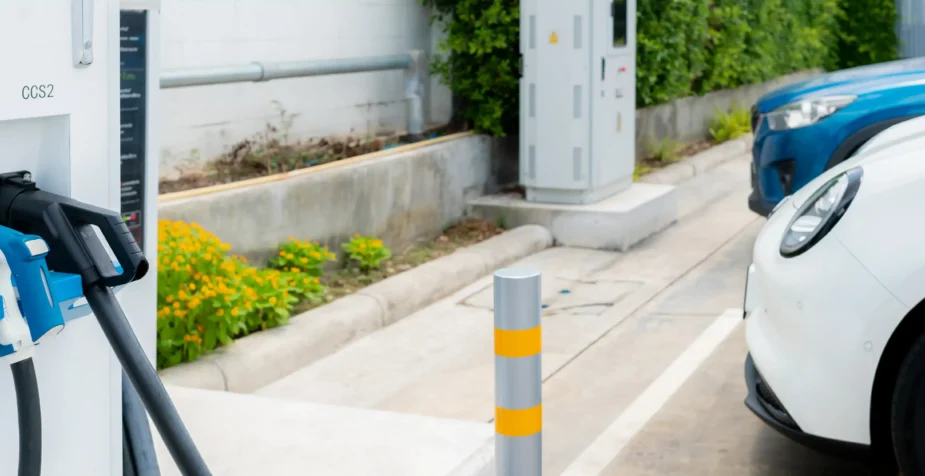
More and more people are switching to electric vehicles, which increases the demand for charging infrastructure — including in apartment buildings. How does the installation of charging stations in co-owned properties work? What are the legal obligations, the costs, and the benefits?
Since 2019, the co-ownership law (Art. 3.82-§2 of the Civil Code) grants individual owners and public service operators the right to install cables and charging equipment in the building’s common areas, such as the garage. However, under certain conditions, the association of co-owners (ACP) has the right to object.
For tenants, the property owner must submit the request to the property manager. Because this is considered a structural modification of the rented dwelling, a tenant cannot install a charging station independently. Moreover, a charging station is not part of the mandatory minimum quality standards for rental properties.
Anyone wishing to install a charging station in a co-owned building must comply with a notification requirement. Co-owners, often via the property manager, must be informed of the installation project by registered letter. They then have two months to raise any objections.
An important factor in the installation of charging stations is the available electrical capacity of the building. When several vehicles charge simultaneously via a shared connection, this can lead to increased peak consumption or even power outages. A dynamic load balancing system helps avoid this problem by intelligently distributing charging power. This system automatically regulates the available power between charging points so that the total load never exceeds the maximum capacity and the electrical network is not overloaded.
Electricity billing is a crucial point when installing charging stations. The charging station is either connected to the individual meter or to the common meter using sub-meters. This means that only the owners of the charging stations bear the electricity costs and the capacity tariff.
The presence of charging stations increases the attractiveness of the building for potential buyers and tenants who own an electric vehicle. An ACP that invests proactively in charging infrastructure responds to growing demand and prepares the building for the future. Given the rising popularity of electric and hybrid cars, a well-equipped parking facility with charging stations is a smart choice for any apartment building.
Installing charging stations in apartment buildings is not only an investment in sustainability but also in the future value of the property. By acting proactively and following the right steps, an ACP can help create a modern, energy-efficient living environment.
Do you have questions about installing charging stations in your co-owned building? OP will be happy to advise and support you.
31 January 2024
In this article, OP discusses the benefits of professional rental management for property owners.
Read more
19 February 2025
Regardless of its form, property management can be handled by either a natural person or a legal entity. A property manager must be appointed during the first general assembly of co-owners.
Read more